Search results for: "quick", "course"

This Quick Course will teach you what Bloom’s Taxonomy is, how it’s related to cognition, & how to use Bloom’s to more effectively design lessons around your standard or lesson objective.

This Quick Course will teach you what Bloom’s Taxonomy is, how it’s related to cognition, & how to use Bloom’s to more effectively design lessons around your standard or lesson objective.

This Quick Course will teach you what Webb’s DOK is and how it is related to rigor. You’ll learn about activities associated with each level of DOK, and how each level is related to a standard, lesson objective, and assessment or activities.

This Quick Course will teach you what Webb’s DOK is and how it is related to rigor. You’ll learn about activities associated with each level of DOK, and how each level is related to a standard, lesson objective, and assessment or activities.

This Quick Course provides an overview of professional characteristics to consider as you work to establish boundaries and respect with colleagues, students, and your students’ families that meet the ethical requirements of being a teacher.

This Quick Course will teach you how to design homework that is aligned to classroom instruction and effective in supporting student academic achievement.

This Quick Course will teach you how to design homework that is aligned to classroom instruction and effective in supporting student academic achievement.

This quick course will help you to understand common logical fallacies and consider how you might address fallacies within your lessons. You will learn about the structure of a sound logical argument, 12 fallacies that occur in flawed arguments, and examples for each fallacy.

This quick course will help you to understand common logical fallacies and consider how you might address fallacies within your lessons. You will learn about the structure of a sound logical argument, 12 fallacies that occur in flawed arguments, and examples for each fallacy.

This Quick Course shows how integrating visual arts boosts memory, reasoning, and creativity. With practical examples and the CREATE planning blueprint, you’ll leave with ready-to-use strategies to integrate art into your upcoming lessons.
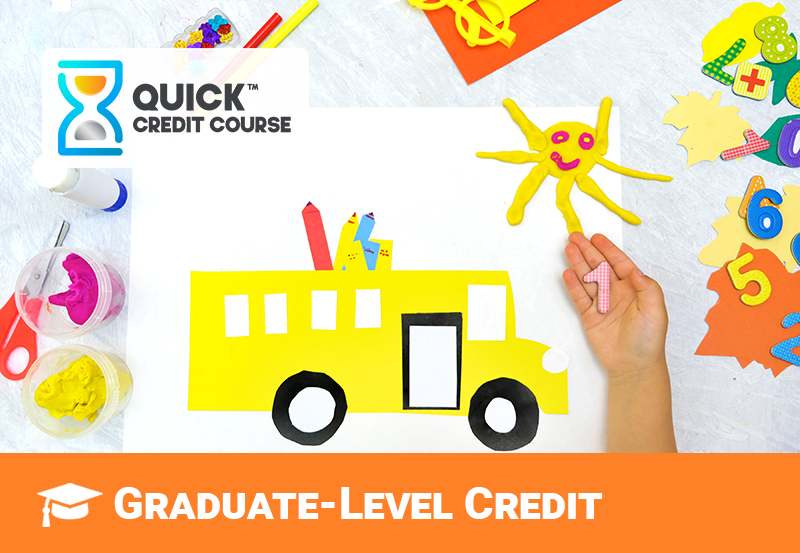
This Quick Course shows how integrating visual arts boosts memory, reasoning, and creativity. With practical examples and the CREATE planning blueprint, you’ll leave with ready-to-use strategies to integrate art into your upcoming lessons.

In this Quick Course, you will learn about the benefits of brain breaks and explore simple brain break strategies you can implement through your lessons. You will also learn about the BOOST method for implementing brain breaks effectively in your classroom.

This Quick Course will provide simple-to-implement ideas for enhancing creativity in your classroom, designed with your gifted students in mind. You’ll explore some challenges gifted students face and how you can support their creativity with simple activities that can be incorporated into your regular lessons.

This quick course will help you plan for the design of a strong substitute teacher folder so that in the event of your absence, your substitute teacher can successfully deliver lessons. STRONG sub folder components are defined, with guidance on how to successfully plan for your absence.

This quick course will help you plan for the design of a strong substitute teacher folder so that in the event of your absence, your substitute teacher can successfully deliver lessons. STRONG sub folder components are defined, with guidance on how to successfully plan for your absence.

This quick course provides you with a guide to understanding effective IEP goals within a student’s Individualized Education Plan (IEP). You will learn about the main components of an IEP and why it is important to design strong goals for your students receiving special education services.

This quick course provides you with a guide to understanding effective IEP goals within a student’s Individualized Education Plan (IEP). You will learn about the main components of an IEP and why it is important to design strong goals for your students receiving special education services.

This Quick Course will teach you about the common types of diagnostic assessments, the components of a strong diagnostic assessment, and what to do with the result from your assessments.

This Quick Course will teach you about the common types of diagnostic assessments, the components of a strong diagnostic assessment, and what to do with the result from your assessments.

This Quick Course will introduce you to problem-based learning as the basis for lab experiments in your science classroom and will provide a lab report template you can use to ensure students follow each step of the Scientific Method.

This Quick Course will introduce you to problem-based learning as the basis for lab experiments in your science classroom and will provide a lab report template you can use to ensure students follow each step of the Scientific Method.

This Quick Course will teach you about the need for students with Autism to work within a predictable and structured environment. In order to lessen anxiety, improve behaviors, and create calm and peace within your classroom.

This Quick Course will teach you about the need for students with Autism to work within a predictable and structured environment. In order to lessen anxiety, improve behaviors, and create calm and peace within your classroom.

This quick course will provide you with a clear understanding of differentiated instruction and how it can support a mixed-ability classroom. You will learn about the core components of differentiation and review the learning environment as an additional important component.

This quick course will provide you with a clear understanding of differentiated instruction and how it can support a mixed-ability classroom. You will learn about the core components of differentiation and review the learning environment as an additional important component.

This Quick Course will teach you about how to begin planning for student discourse in your classroom. Ideal for teachers new to implementing discourse, you will learn about providing questioning prompts to students and grouping activities to facilitate discussions and ideas for supporting and addressing challenges.

This quick course will teach you a method of memorizing details and facts using a technique called the Memory Palace. You will learn what it looks like in action, how to teach the technique to your students, and how to plan for its application in your own classroom.

Learn why recitation in the classroom can be an important component of your student’s educational journey. This Quick Course teaches the process of rote memorization of important and influential texts, and considerations for recitation through oral presentation.

Learn why recitation in the classroom can be an important component of your student’s educational journey. This Quick Course teaches the process of rote memorization of important and influential texts, and considerations for recitation through oral presentation.

This Quick Course will provide you with simple ideas for supporting your ELL students in learning Tier 2 and Tier 3 vocabulary. Learn the different tiers of academic vocabulary and simple ways to easily support your ELL students during your lesson.

This Quick Course will provide you with simple ideas for supporting your ELL students in learning Tier 2 and Tier 3 vocabulary. Learn the different tiers of academic vocabulary and simple ways to easily support your ELL students during your lesson.

This quick course will provide a closer look at common characteristics gifted students often possess and how those traits can impact their social and emotional development. We will then explore several strategies you can use in your classroom and lessons to help improve the social-emotional intelligence and development of your GT students.

Though not a comprehensive list of special populations, this collection of Quick Courses provides you with a variety of ideas for how to support different types of students in your classroom.

In this one-hour Quick Course, you will learn six key elements of a successful first day in your secondary classroom. A successful first day of school can help you set a positive tone and provide a strong structure for a successful year with your students.
In this Quick Course, you will learn about the elements of a successful first day in your elementary classroom. A successful first day of school can help you set a positive tone and provide a strong structure for a successful year with your students.

In this Quick Course, you will learn about the elements of a successful first day in your elementary classroom. A successful first day of school can help you set a positive tone and provide a strong structure for a successful year with your students.

In this one-hour Quick Course, you will learn six key elements of a successful first day in your secondary classroom. A successful first day of school can help you set a positive tone and provide a strong structure for a successful year with your students.

This Quick Course will teach you about English Language Learners (ELLs) and their proficiency levels, the methods for grouping ELLs, and considerations for flexible grouping.

This Quick Course will teach you about English Language Learners (ELLs) and their proficiency levels, the methods for grouping ELLs, and considerations for flexible grouping.

This quick course will help you better understand your students that have been diagnosed with ADHD. You will learn the types of ADHD, common symptoms of ADHD, and general strategies to incorporate into your classroom so that all students can be successful.

This Quick Course will help you better understand your students that have been diagnosed with ADHD. You will learn the types of ADHD, common symptoms of ADHD, and general strategies to incorporate into your classroom so that all students can be successful.

This quick course will help you better understand your students who have been diagnosed with dyslexia. Learn about common weaknesses in certain skills for children with dyslexia and general strategies to incorporate into your classroom.

This quick course will help you better understand your students who have been diagnosed with dyslexia. Learn about common weaknesses in certain skills for children with dyslexia and general strategies to incorporate into your classroom.
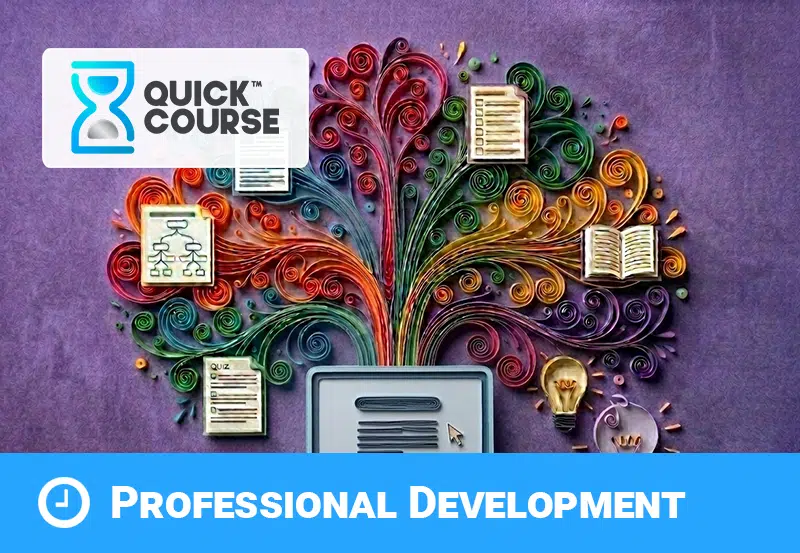
In this AI fundamentals Quick Course, we will review how to use complex and highly specific prompts (mega-prompts) to build detailed, differentiated lesson plans for your students using common AI models.