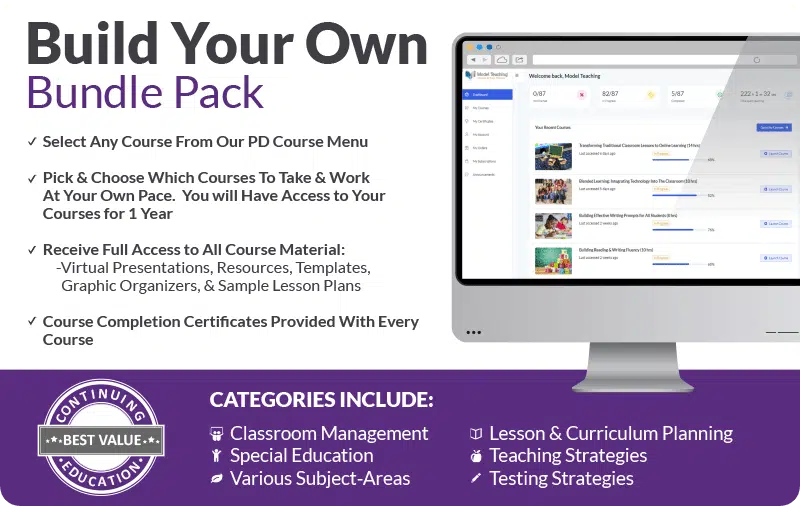
Access to All PD Courses. The most cost-effective way to earn your required Professional Development hours. Once you purchase your hours bundle, you may choose any courses from our full PD course menu until you have used all hours. Access your courses for 1 full year.

Access to All Graduate-Level Courses. The most cost-effective way to earn Graduate-Level credits! Purchase your bundle, then choose any of our university-partnered courses. Access your courses for one year and work at your own pace. Pay the $70/credit fee as you go or when you finish.

This course goes beneath surface-level classroom management systems to explore the behavioral science and psychology behind student behavior. You will learn 12 research-backed theories organized around three drivers of behavior, along with implementation strategies to improve student behavior.

This course will define developmental theories and how they drive teaching and learning practices. You will learn about various psychosocial, behavioral, and cognitive developmental theories, and why this knowledge is critical for educators.

This course will define developmental theories and how they drive teaching and learning practices. You will learn about various psychosocial, behavioral, and cognitive developmental theories, and why this knowledge is critical for educators.
This Quick Course shows how integrating visual arts boosts memory, reasoning, and creativity. With practical examples and the CREATE planning blueprint, you’ll leave with ready-to-use strategies to integrate art into your upcoming lessons.
This Quick Course shows how integrating visual arts boosts memory, reasoning, and creativity. With practical examples and the CREATE planning blueprint, you’ll leave with ready-to-use strategies to integrate art into your upcoming lessons.

In this Quick Course, you will learn about the benefits of brain breaks and explore simple brain break strategies you can implement through your lessons. You will also learn about the BOOST method for implementing brain breaks effectively in your classroom.

Learn about the benefits of brain breaks and explore simple brain break strategies you can implement through your lessons. Learn to plan and implement brain breaks using the BOOST template and leave the course with ideas for implementing brain breaks in your classroom.

This course series will help you support and improve elementary reading in your students, especially those that are struggling, through grouping and instructional strategies.

Learn about divergent thinking and its role in creativity with activities that can help you foster divergent thinking in your students. You will also receive a resource packet of printables for student activities.
Learn about divergent thinking and its role in creativity with activities that can help you foster divergent thinking in your students. You will also receive a resource packet of printables for student activities.

This Quick Course will teach you about the need for students with Autism to work within a predictable and structured environment. In order to lessen anxiety, improve behaviors, and create calm and peace within your classroom.

In this course, you will learn how to implement literacy stations in your classroom as well as learn actionable steps for how to assess, group, and set up engaging literacy activities that will address the needs of all students, despite their individual reading levels.
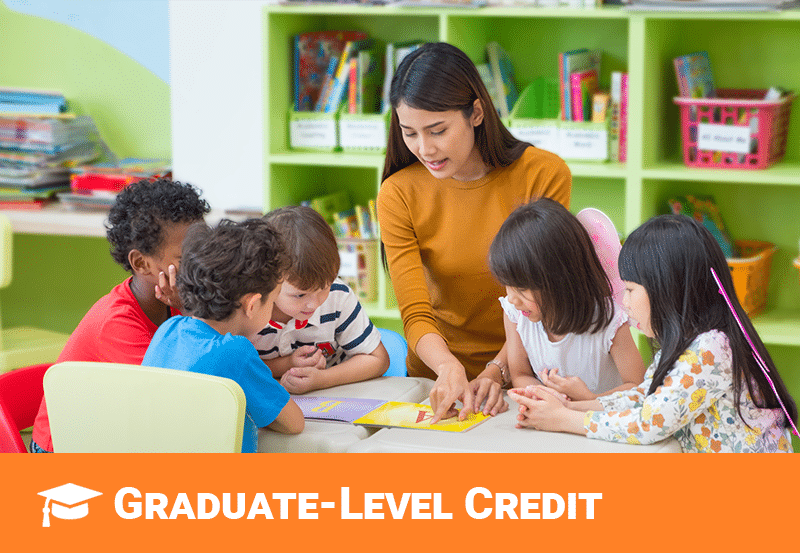
In this course, you will learn how to implement literacy stations in your classroom as well as learn actionable steps for how to assess, group, and set up engaging literacy activities that will address the needs of all students, despite their individual reading levels.
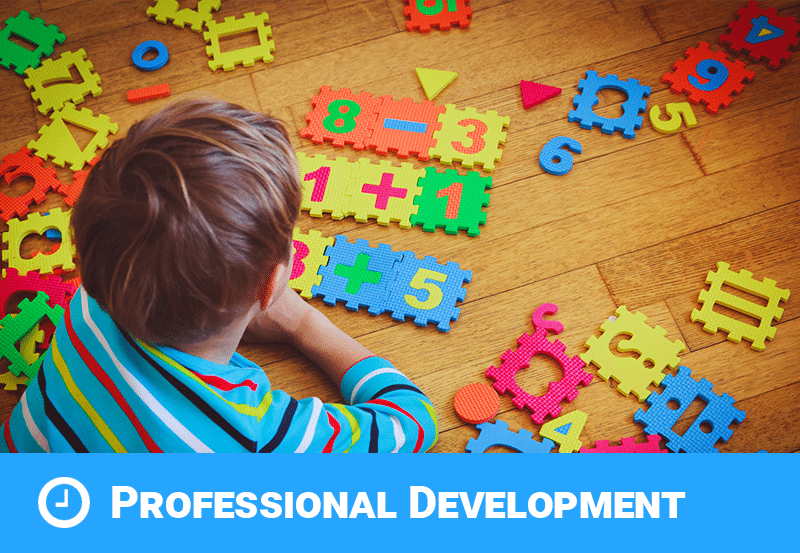
In this course, you will learn actionable steps for how to plan, assess, group, and implement effective and engaging math station activities in your classroom, along with dozens of resources ready to be used with your own students.
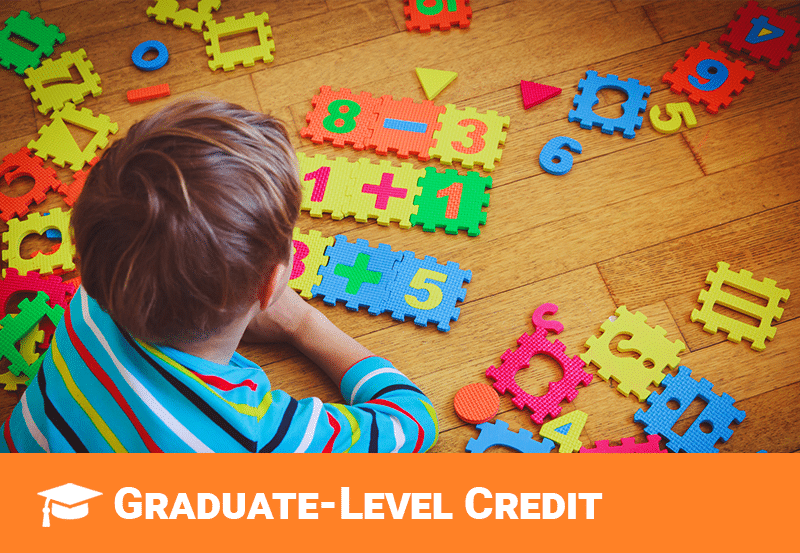
In this course, you will learn actionable steps for how to plan, assess, group, and implement effective and engaging math station activities in your classroom, along with dozens of resources ready to be used with your own students.

Learn about the benefits of movement through physical activity. You will explore the benefits of physical activities and some ideas for incorporating movement into your content area. Finally, you will consider how you can implement specific physical activities into an upcoming lesson.

Explore the benefits of physical activity in the classroom and learn ideas for incorporating movement into your content area. You will also leave the course with a GETUP resource that provides you with physical activity ideas and examples.

This course will help you explore different types of Outdoor Education, the benefits of Outdoor Education, and activities to incorporate it into your classroom. You will be provided with specific activity ideas to implement now or with some planning, and you will be inspired to design new ways for students to engage with nature.

This course will help you explore different types of Outdoor Education, the benefits of Outdoor Education, and activities to incorporate it into your classroom. You will be provided with specific activity ideas to implement now or with some planning, and you will be inspired to design new ways for students to engage with nature.

Learn the benefits of productive struggle and methods for creating activities that support students through challenging tasks. You will learn what makes a good activity to support struggle, common hurdles to address in your lessons, and simple strategies to support students throughout their tasks.
This course teaches you the benefits of productive struggle and methods for creating activities that support students through challenging tasks. You will learn what makes a good activity to support struggle, common hurdles, and simple strategies to support students throughout their tasks.

Learn the types & signs of trauma in children and how you can design a trauma-informed classroom. Learn to design your classroom and its culture so that you are maintaining a safe space that supports all children.
Learn the types & signs of trauma in children and how you can design a trauma-informed classroom. Learn to design your classroom and its culture so that you are maintaining a safe space that supports all children.

This quick course will help you better understand your students who have been diagnosed with dyslexia. Learn about common weaknesses in certain skills for children with dyslexia and general strategies to incorporate into your classroom.