Chat with us, powered by LiveChat

Home  »  Education Articles  » Teaching Strategies
  • Differentiation Tech Tools Blog

Tech Tools to Support Differentiation in Your Classroom

April 7, 2026|

Differentiation is a general term for an instructional approach in which teachers tailor curriculum, teaching methods, and assessments to meet the diverse needs of students in their classrooms. Between tracking student data, creating varied materials, and managing multiple groups, you may feel like differentiation in your classroom can be overwhelming! The good news is that technology can be your ally. The right edtech tools can streamline many differentiation tasks, from grouping students based on learning profiles to generating leveled content to creating varied assessments. These tools don’t replace your expertise as a teacher, but they do enhance it by handling the time-consuming logistics so you can focus on what matters most: teaching. In this article, we’ll explore five tech tools that support different aspects of differentiation. Whether you need help grouping students, creating accessible content, varying your instructional processes, designing diverse assessments, or supporting students with IEPs, there’s a tool here that can make your life easier.

  • Answering with Confidence Webinar

Webinar: Answering with Confidence

March 26, 2026|

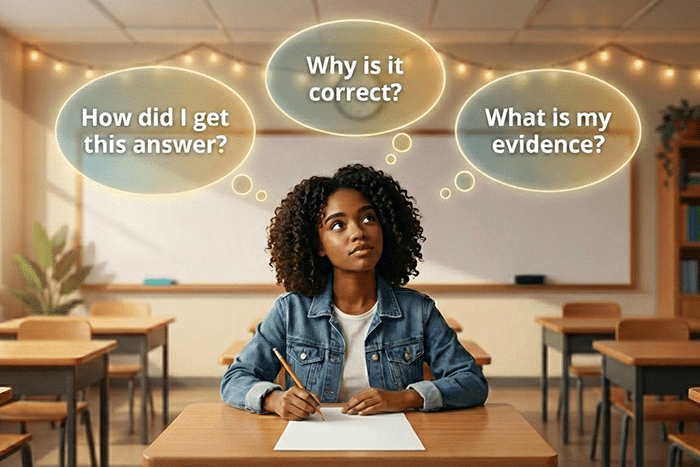
Explore guidelines for teaching testing behaviors, testing strategies, and a process for students to justify their answer choices on assessments. You will learn specific behaviors or strategies to identify in students, as well as simple methods to explicitly teach appropriate testing behaviors.

  • Kohlbergs Theory in Teaching

Understanding Kohlberg’s Theory of Moral Development and Why It’s Important for Teachers to Know

March 20, 2026|

As a teacher, you often witness your students struggling with the question of right or wrong each day in your classroom. How can I teach that student that it is important to share? Why did that other student share without being asked? Why is it that some children follow classroom rules when no one is watching, while others struggle to abide by classroom rules at all times? While some of the behaviors you witness may be due to a child’s personality and upbringing, you may also be noticing patterns of behavior aligned with their moral development.

  • Answer Justification

Use the Answer Justification Process to Improve Your Students’ Test-Taking Skills

February 12, 2026|

Test success is not just about students mastering content and then demonstrating it. Many students also need support in mastering specific testing behaviors that will increase the chance of their success on a test. Whether that is time management, a method for analyzing a question, or a method for selecting the correct multiple-choice option on tricky tests, testing behaviors can be improved and practiced in students as a way for them to truly demonstrate what they know and guarantee better success on assessments.

  • Fizzy Learning Geography

Using Geography Memorization as a Way to Master Historical Concepts

February 2, 2026|

In today’s history classroom, students are expected to analyze global conflicts, explain change over time, and understand the roots of major events. When students cannot locate countries on a map, history can feel abstract because they struggle to picture how borders, regions, and geography shape what happens. Intentional practice memorizing countries, cities, and regions helps students build that mental map so they can connect more deeply with history, current events, and global issues. This article explains why geography memorization matters and highlights technology tools that can support students as they learn these concepts.

  • Eriksons Theory in Teaching

Erikson’s Theory of Psychosocial Development: A Guide for Educators

January 21, 2026|

Understanding the development of your students helps you become a stronger educator, because you can identify specific strategies and ways to help your students that are developmentally appropriate. There are many developmental theories present to explain our growth has humans over time, but this article will focus on just one: Erik Erikson’s eight stages of development.

  • Visual Arts in the Classroom

Why the Visual Arts Belong in Every Classroom

January 16, 2026|

Most of us remember learning through images long after we forget specific words or facts. For example, you may not recall the exact definition of an animal cell, but you can probably picture its round shape or nucleus. You may not remember every detail from a history class, but you can likely recognize a famous historical painting that represents a significant event. Visual elements are often the strongest and most durable memories we form in school. Because of this, the visual arts should not be limited to the art classroom. It can instead be intentionally integrated across subjects to strengthen learning, reasoning, and creativity.

  • Holiday Joy in the Classroom

Simple Ways You Can Bring Joy to the Classroom This Holiday Season!

November 19, 2025|

As your semester approaches the holidays, you may find yourself balancing academic demands with the desire to create a warm and joyful classroom environment. As December approaches, it can be a magical, if not also a chaotic time, so here are some simple and meaningful ways to bring the cheer of the holiday to your students, and to yourself and your family!

  • Phones Down

Phones Down, Focus Up

September 11, 2025|

Unlike many adults, our students have never known a life without cell phones. This new reality can mean not only that students are becoming largely dependent on phones, but it may also be difficult to keep students off devices during classroom instruction. This brief article will summarize some justifications for reducing or eliminating phone usage on campuses, affirming the rationale lawmakers across the country are using when passing cell phone ban legislation on campuses.

Your Shopping Cart

Name Price
Buying for a team or group? Select quantities on checkout page.