


Access to All PD Courses. The most cost-effective way to earn your required Professional Development hours. Once you purchase your hours bundle, you may choose any courses from our full PD course menu until you have used all hours. Access your courses for 1 full year.

Access to All Graduate-Level Courses. The most cost-effective way to earn Graduate-Level credits! Purchase your bundle, then choose any of our university-partnered courses. Access your courses for one year and work at your own pace. Pay the $70/credit fee as you go or when you finish.

This course bundle contains two AI-focused courses to help you improve your classroom, instruction, and student learning. AI is here to stay, so learn some simple strategies to embrace how AI can be used to help improve academic outcomes in your students!
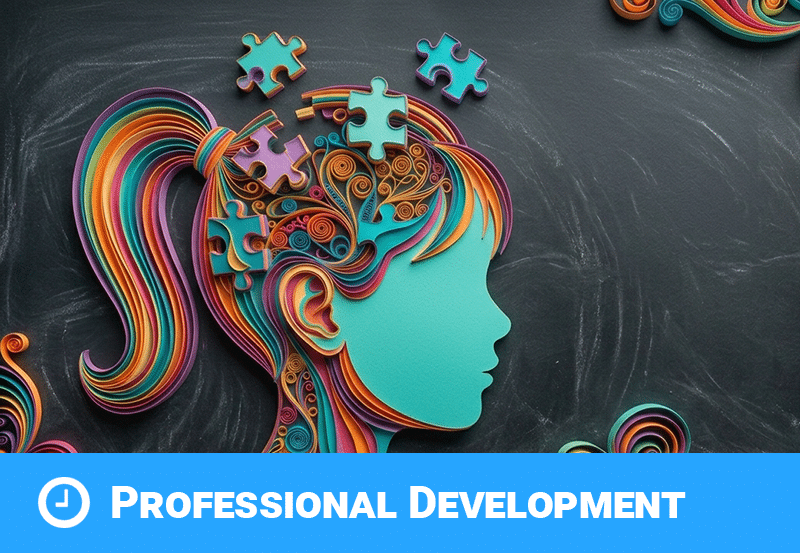
This course will define memory theories and the three memory processes: encoding, storage, and retrieval. Participants will be able to explicitly teach strategies and incorporate them into their daily practices to develop students’ encoding and storage skills and their ability to recall information from memory.

This course series will provide a comprehensive review of Backwards Design, a planning strategy that begins with choosing an objective and assessment strategy before planning any lessons or instructional activities, helping to improve instruction.

Learn how to teach testing behaviors, testing strategies, and a process for students to justify their answer choices on assessments. You will learn specific strategies and methods to explicitly teach appropriate testing behaviors.

Learn how to teach testing behaviors, testing strategies, and a process for students to justify their answer choices on assessments. You will learn specific strategies and methods to explicitly teach appropriate testing behaviors.

This course teaches you five main types of writing prompts: narrative, creative, expository, persuasive, and reading response as well as a simple structure to follow when designing each type of writing prompt.

This course teaches you five main types of writing prompts: narrative, creative, expository, persuasive, and reading response as well as a simple structure to follow when designing each type of writing prompt.

This course will teach you the different types of assessments, how to design effective and targeted assessment items, and how to build a detailed plan for your content area and grade-level to measure student progress.
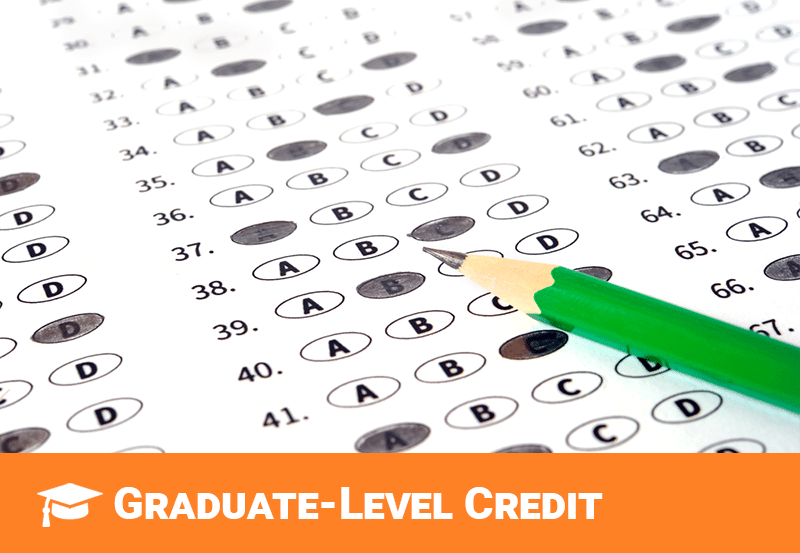
In this course, you will learn new strategies for implementing assessments into the classroom and explore various topics to help you use assessments effectively throughout the student learning process.

In this course, you will learn the 6 most common and low-prep models to plan and implement collaborative learning in your classroom and help you create a learning environment that promotes student discussion and success.
This Quick Course will teach you about the common types of diagnostic assessments, the components of a strong diagnostic assessment, and what to do with the result from your assessments.

This Quick Course will teach you about the common types of diagnostic assessments, the components of a strong diagnostic assessment, and what to do with the result from your assessments.

In this course series, you will learn how to actively monitor students throughout the instructional process, collect academic and behavioral data as well as how to process, file, and analyze data for documentation and better decision making.

Learn what typical writing looks like for kindergarten through third-grade students, as well as some common writing tasks they can be expected to accomplish and learn the purpose of both holistic and analytic rubrics for writing assessment.

Learn what typical writing looks like for K-3rd grade students, as well as some common writing tasks they can be expected to accomplish, and learn the purpose of both holistic and analytic rubrics for writing assessment.

Learn the cyclical process of action research in a classroom setting and how it drives continuous improvement. Learn the steps of the process, including identifying a problem, reviewing current literature, finding a solution, testing the solution, analyzing data / making a conclusion, and sharing the results.

Review several tools for your online lessons to evaluate and assess your students quickly. Learn common strategies to assess your students online and receive resources for planning and implementation.

Review several tools for your online lessons to evaluate and assess your students quickly. Learn common strategies to assess your students online and receive resources for planning and implementation.

Learn the value of incorporating frequent checks for understanding into your lesson plans and learn when CFUs need to be incorporated into a lesson cycle as well as how to use data to inform future instructional decisions.

Learn the value of incorporating frequent checks for understanding into your lesson plans and learn when CFUs need to be incorporated into a lesson cycle as well as how to use data to inform future instructional decisions.

This 6-part course series is perfect for new teachers, teachers interested in improving fundamental areas of teaching, and anyone who needs the resources and implementation ideas for effective classroom instruction and management.
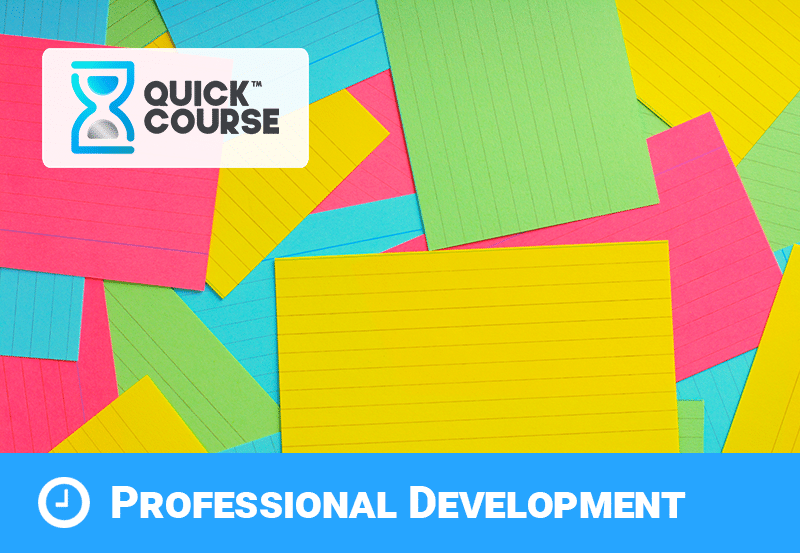
Incorporate study skills into students’ everyday lessons centered around questions directly aligned to the daily objectives. The notecard system is a practical procedure students can use to maintain an organized and sustainable process for studying.
Incorporate study skills into students’ everyday lessons centered around questions directly aligned to the daily objectives. The notecard system is a practical procedure students can use to maintain an organized and sustainable process for studying.

Learn why retrieval is important in the math classroom. Also, learn how to incorporate simple retrieval practice strategies into your math lessons to help improve student memory and deepen their understanding of math concepts.

Learn about the three main types of assessment and how they can be differentiated for gifted students: pre-assessment, formative assessment, and summative assessment. The course will discuss the importance of differentiating rigor, particularly when assessing gifted students.

Learn about the three main types of assessment and how they can be differentiated for gifted students: pre-assessment, formative assessment, and summative assessment. The course will discuss the importance of differentiating rigor and how to develop a plan of action to use within your own current or future classroom with GT students.
